How Kenora Got its Name
An Interesting Story...
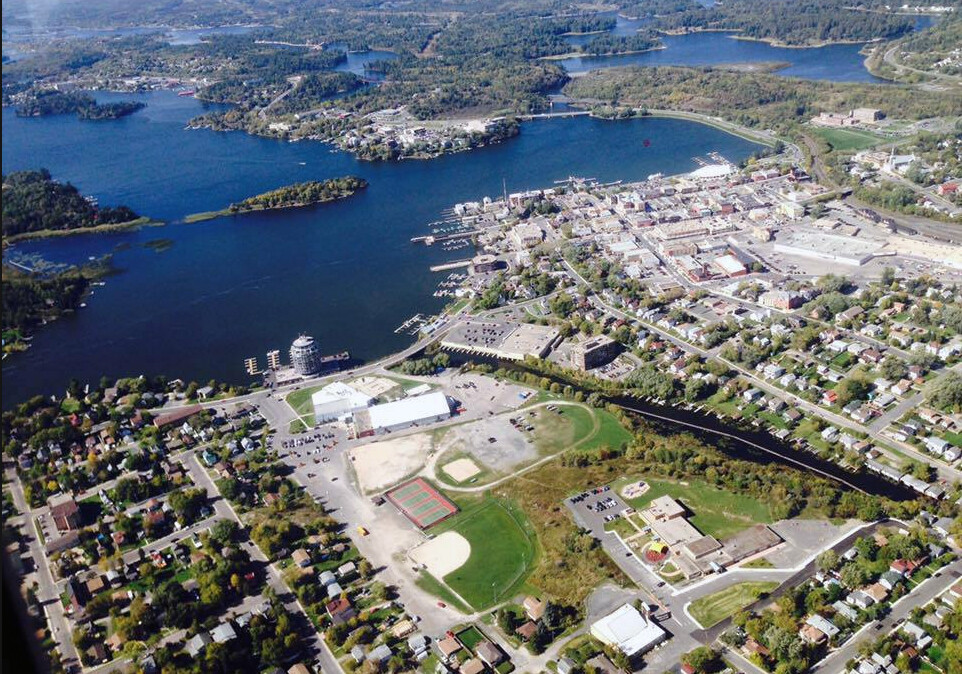
The story of how Kenora, on the north shore of Lake of the Woods, got its name is a very interesting one. Back in the late 1800s, the area around Kenora was a bustling stop along the CP Rail line. There was activity in a number of industries, notably gold and flour. At the time, there were three communities situated right beside each other, each with a different name. There was Keewatin, where the flour mill was situated, Norman, the island just east of Keewatin, and the bustling burb of Rat Portage. Much talk and complaining about the name "Rat Portage" occurred, but nothing was done about it until 1905.
Here is the story as written on the Lake of the Woods Museum website:
It was not until 1905 that the community changed its name to Kenora. Dissatisfaction with the name Rat Portage had been expressed by the residents of the town over the years, but apparently it took a final push from industry to initiate the change. The Maple Leaf Flour Company reportedly refused to build here because they didn't want the word rat on their flour bags.
Read the full story on the MUSE website.
It didn't take long for the prospective flour barons to realize that flour in bags labelled "Rat Portage" would not be a hit with consumers. Obviously, rats and flour don't go together, especially when you think of how prolific rats are in the areas of eating and generating waste!
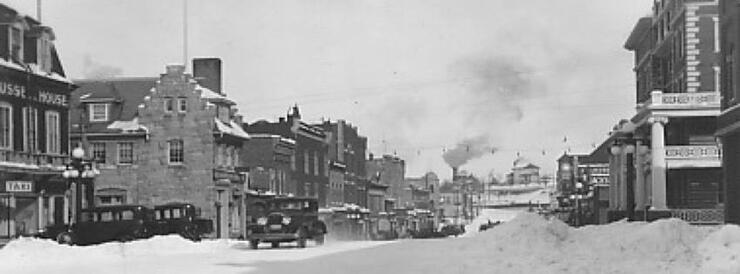
So the town fathers got together and sat down to figure out what they could name the town, without offending any of the citizens in either of the three existing communities. Someone came up with the clever idea to combine parts of the names of the three existing communities into one name. Hence, they took the "KE" from Keewatin, the "NO" from Norman, and the "RA" from Rat Portage and developed the name we all know and love today: Kenora!
So, as they say, the rest is history... KEewatin-NOrman-RAt Portage!
Did You Know These Facts About Kenora?
- People have lived around what is now Kenora for thousands of years. The Lake of the Woods Museum timeline places early human activity in the region as far back as about 6000 BC, when Paleo-Indian peoples lived along the shores of glacial Lake Agassiz.
- Lake of the Woods was a transportation network long before roads or railways. Indigenous peoples used its interconnected lakes, rivers, islands, and portages for travel, fishing, gathering, trade, and community life.
- The original Ojibwe place name, Waszush Onigum, is generally translated as “portage to the country of the muskrats.”The “rat” in Rat Portage referred to muskrats, not rats. The Hudson’s Bay Company adopted “Rat Portage” as an abbreviated English form of the Ojibwe name for its post on Old Fort Island, and the growing mainland settlement inherited the name.
- The Hudson’s Bay Company established a post on Old Fort Island in 1836, replacing an earlier post at the Dalles. In 1861, the company opened a mainland post on the site of present-day Kenora—an important step in the settlement’s development.
- Gold, timber, railways, commercial fishing, and water power all helped turn Rat Portage into a bustling late-19th-century community. By 1893, 20 gold mines were operating within 15 miles of town.
- Lake of the Woods supported an enormous commercial fishery. In 1893 alone, the regional catch recorded was 1.65 million pounds of fish, along with 123,750 pounds of caviar.
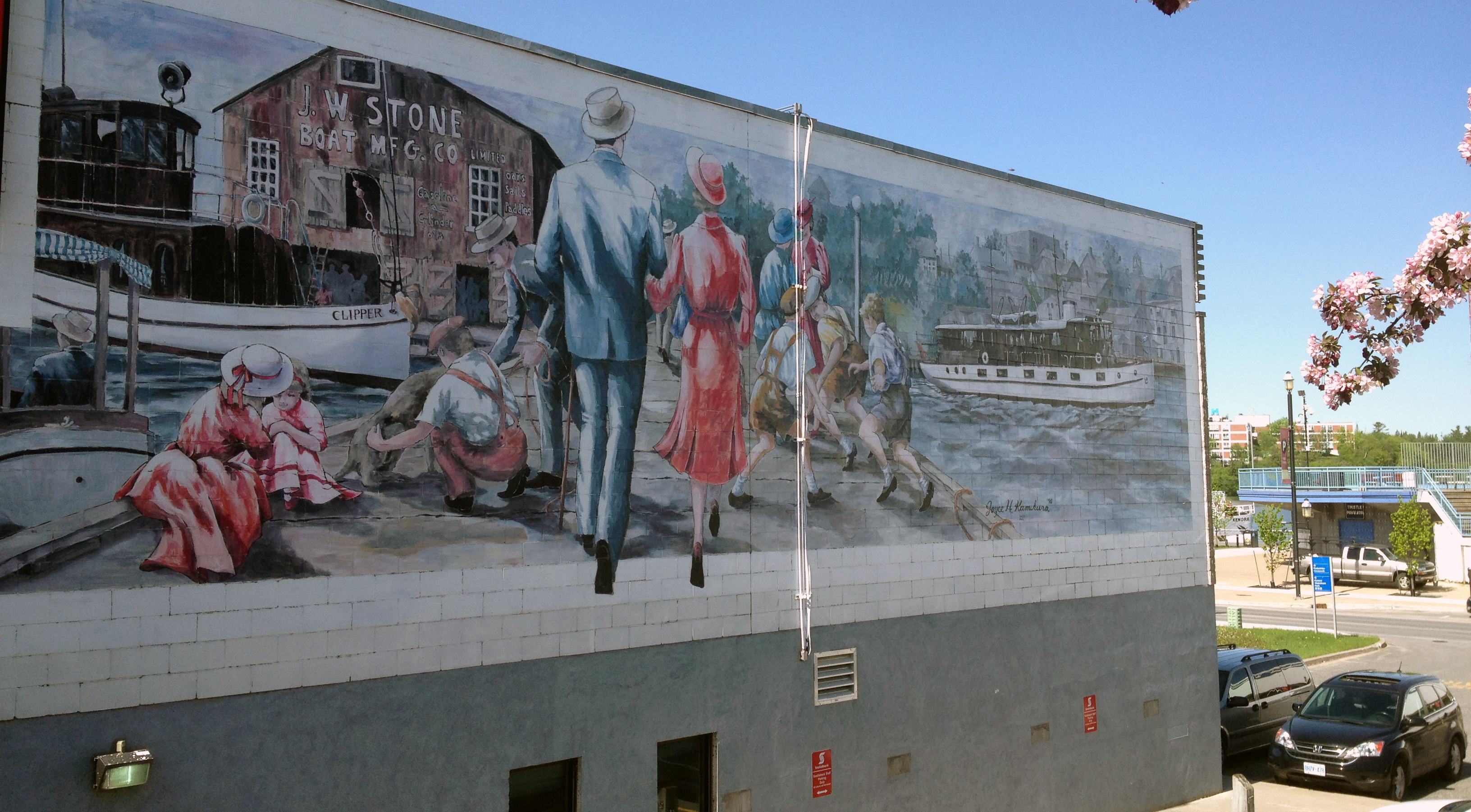
- Wooden steamboats connected the region before the automobile era. The first steamboat appeared on Lake of the Woods in 1872, while the ferry Argyle began operating in 1900; a successor, Argyle II, replaced it in 1936.
- Kenora’s Thistles won the NHL's Stanley Cup in 1907. That achievement is especially remarkable because Kenora was a small northern community with a population of about 5,000 only two years earlier.
- Lake access helped make Rat Portage an early resort destination. By 1882—the year the CPR reached the community—Rat Portage and Lake of the Woods already had a reputation as a summer holiday destination.
- Kenora’s famous mascot statue, Husky the Muskie, dates to 1967. The large fish sculpture in McLeod Park has since become one of the city’s best-known photo stops—and even appeared in the Canadian film One Week.
Adapted from information compiled by the Lake of the Woods Museum located on Main St in Kenora.
Learn more at: themusekenora
Recommended Articles
Is the 1,400 Kilometre Drive to Northwest Ontario For a Fishing Trip Worth it?
8 must-see waterfalls
6 Ways to Get Your 10,000 Steps This Fall
Top 5 Reasons You Should Be Fishing in Morson, Ontario
Discover The Winnipeg River
Enjoy Sunset Country's Fall Colours on Your Next Road Trip
Fishing in the Fall?
6 Reasons to Book a Fall Vacation to Sunset Country
10 Reasons to Avoid Ontario’s Sunset Country
Heading Across Canada?
A Guide to Sunset Country Museums
The Promised Land: Best Muskie Fishing in Ontario
Fall Fishing Tips
5 Essential Boreal Experiences in Ontario's Sunset Country
5 Obscure Facts About Northwestern Ontario: Were You Aware of These?
Great Food in Relatively Unknown Places
Outdoor Medicine
A Guide to Bringing Your Pets on Vacation to Canada
There's more than just fishing in the Red Lake Region
5 Amazing Sights You Can Only See By Boat
Going Fishing in Canada?
Going fishing in Ontario?
Outdoor Adventure in Ontario's Northern Paradise
Planning A Family Fishing Trip to Canada
Tips from a Fishing Legend